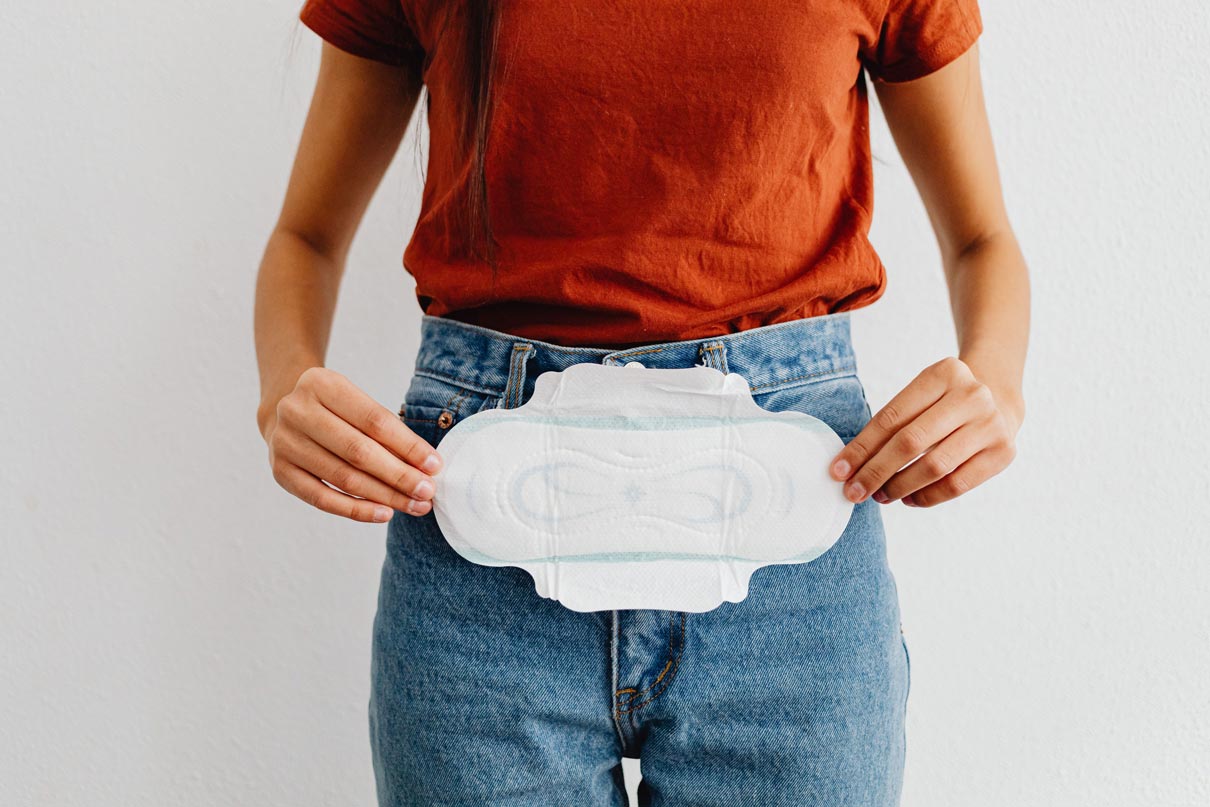
For many women, periods are a simple part of life. For others, it can be a tough thing to experience every month. They can be uncomfortable, inconvenient and sometimes painful—but they should still allow you to continue with your normal daily activities.
If your period is so heavy that you’re changing pads or tampons every hour, waking during the night to avoid leaks, missing work, avoiding social events, or constantly feeling exhausted, your bleeding may be heavier than normal.
Heavy menstrual bleeding, also known medically as menorrhagia, affects millions of women worldwide. Despite being common, it is frequently underdiagnosed because many women assume their experience is “just how periods are.”
The reality is that heavy periods are often a symptom—not a diagnosis. Identifying the underlying cause is the first step towards effective treatment and improving your quality of life.
What Is Considered a Heavy Period?
Every woman’s menstrual cycle is unique, making it difficult to define a “normal” amount of bleeding.
Rather than focusing on exact measurements, healthcare professionals often look at how bleeding affects your everyday life.
Heavy menstrual bleeding may include:
- Bleeding for longer than seven days
- Needing to change sanitary protection every one to two hours
- Passing blood clots larger than approximately 2.5 cm
- Wearing two forms of protection to prevent leaks
- Bleeding through clothing or bedding
- Frequently waking at night to change pads or tampons
- Avoiding work, exercise or social activities because of bleeding
- Feeling tired, dizzy or breathless due to blood loss
If your period regularly interferes with your physical, emotional or social wellbeing, it deserves medical assessment.
What Causes Heavy Periods?
Heavy menstrual bleeding (HMB) is not a diagnosis in itself—it is a symptom of an underlying condition. In many cases, more than one factor contributes to excessive menstrual bleeding. Identifying the underlying cause is important because treatment is most effective when it targets the condition responsible for the bleeding rather than the bleeding alone.
Can More Than One Cause Be Present?
Yes. Many women often have more than one contributing factor.
For example, a woman with fibroids may also have iron deficiency, adenomyosis or a hormonal imbalance that further increases menstrual blood loss. This is why a thorough medical assessment is essential.
Healthcare professionals commonly classify the causes of heavy menstrual bleeding using the FIGO PALM-COEIN system, which groups causes into structural abnormalities of the uterus and non-structural (medical or hormonal) causes.
Rather than treating every heavy period the same way, your gynaecologist will work to identify the underlying cause and develop a treatment plan that is tailored to your symptoms, reproductive goals and overall health.
Potential causes for heavy periods include:
Hormonal Imbalances and Ovulatory Dysfunction
A healthy menstrual cycle depends on regular ovulation and a carefully balanced interaction between the hormones oestrogen and progesterone.
During the first half of the menstrual cycle, oestrogen stimulates the endometrium (the lining of the uterus) to thicken in preparation for a possible pregnancy. After ovulation, progesterone stabilises this lining. If pregnancy does not occur, hormone levels fall and the lining is shed as a menstrual period.
When ovulation does not occur regularly (known as anovulation) or hormone levels become disrupted, progesterone may not be produced in sufficient amounts. As a result, the endometrium continues to thicken under the influence of oestrogen alone before eventually shedding unpredictably and often much more heavily.
Hormonal imbalances are particularly common during:
- Adolescence, while menstrual cycles are still maturing
- Perimenopause, when ovarian function naturally becomes less predictable
- Polycystic ovary syndrome (PCOS)
- Thyroid disorders (both underactive and overactive thyroid disease)
- Obesity, which can increase circulating oestrogen levels
- Significant weight loss or eating disorders
- Excessive physical exercise
- Chronic stress that disrupts hormone regulation
Women with ovulatory dysfunction often experience heavy periods alongside irregular cycle lengths, missed periods, prolonged bleeding or unpredictable spotting.
Uterine Fibroids (Leiomyomas)
Fibroids are benign (non-cancerous) smooth muscle tumours that develop within the wall of the uterus. They are one of the most common causes of heavy menstrual bleeding, particularly in women between the ages of 30 and 50. Not all fibroids cause symptoms.
Their effect depends largely on their:
- Size
- Number
- Location within the uterus
Fibroids that distort the uterine cavity (submucosal fibroids) are especially likely to cause excessive menstrual bleeding because they increase the surface area of the uterine lining and interfere with the uterus’ ability to contract effectively during menstruation.
Depending on their characteristics, fibroids may lead to:
- Heavy or prolonged menstrual bleeding
- Large blood clots
- Pelvic pressure or fullness
- Frequent urination due to bladder compression
- Constipation from pressure on the bowel
- Painful periods
- Pain during intercourse
- Fertility or pregnancy complications in some women
Adenomyosis
Adenomyosis occurs when tissue similar to the endometrium grows into the muscular wall of the uterus (the myometrium). Each menstrual cycle, this tissue responds to hormonal changes in the same way as the uterine lining, leading to inflammation, swelling and thickening of the uterine muscle.
This condition can reduce the uterus’ ability to contract effectively during menstruation, resulting in increased blood loss.
Women with adenomyosis commonly experience:
- Heavy menstrual bleeding
- Severe menstrual cramping that may worsen over time
- Chronic pelvic pain
- Pain during sexual intercourse
- A feeling of pelvic pressure
- An enlarged, tender uterus on examination
Although adenomyosis is more frequently diagnosed in women aged 40 years and older, improved imaging techniques have shown that it also affects younger women, including those who wish to preserve fertility.
Endometrial Polyps
Endometrial polyps are localised overgrowths of the uterine lining that project into the uterine cavity. They are usually benign but can occasionally contain precancerous or cancerous changes, particularly after menopause.
Because polyps are highly vascular (rich in blood vessels), they can interfere with the normal shedding of the uterine lining and contribute to abnormal bleeding.
Symptoms may include:
- Heavy menstrual bleeding
- Bleeding between periods
- Spotting before or after menstruation
- Bleeding after menopause
- Fertility difficulties in some women
Many polyps are discovered during pelvic ultrasound or hysteroscopy.
Bleeding Disorders
In some women, heavy menstrual bleeding is caused by an underlying problem with blood clotting rather than the uterus itself.
One of the most common inherited bleeding disorders is von Willebrand disease, in which the body has reduced levels or impaired function of von Willebrand factor—a protein essential for normal blood clot formation.
Heavy periods caused by bleeding disorders often begin with the very first menstrual periods during adolescence.
This may be accompanied by:
- Frequent nosebleeds
- Easy bruising
- Prolonged bleeding after dental procedures
- Excessive bleeding after surgery or childbirth
- A family history of bleeding disorders
For some women, a heavy menstrual period is the first sign that an inherited clotting disorder is present.
Medications and Contraceptive Devices
Certain medications and medical devices can contribute to heavier menstrual bleeding.
Examples include:
- Anticoagulants (blood-thinning medication) such as warfarin or direct oral anticoagulants
- Copper intrauterine devices (IUDs), particularly during the first few months after insertion
- Some hormonal medications while the body is adjusting to treatment
- Long-term corticosteroid therapy in certain circumstances
It is important not to stop prescribed medication without discussing it with your healthcare provider, as alternative treatment options may be available.
Pregnancy-Related Causes
Although menstrual bleeding does not occur during a healthy pregnancy, heavy vaginal bleeding during pregnancy or after childbirth requires urgent medical assessment.
Potential causes include:
- Miscarriage
- Ectopic pregnancy
- Placental complications
- Retained products of conception
- Postpartum haemorrhage
These conditions require prompt medical evaluation to protect both maternal health and future fertility where possible.
Endometrial Hyperplasia and Gynaecological Cancers
While most heavy periods are caused by benign conditions, persistent abnormal bleeding can occasionally be associated with precancerous or cancerous changes affecting the uterus or cervix.
These include:
- Endometrial hyperplasia, where the uterine lining becomes abnormally thick due to prolonged exposure to oestrogen without adequate progesterone
- Endometrial cancer
- Cervical cancer, particularly if bleeding occurs after sexual intercourse or between periods
The likelihood of these conditions increases with age, obesity, diabetes, prolonged anovulation and certain hereditary cancer syndromes.
Although cancer remains a relatively uncommon cause of heavy menstrual bleeding in premenopausal women, any persistent change in menstrual bleeding—particularly after the age of 40, after menopause or when accompanied by other concerning symptoms—should always be investigated promptly.
How Heavy Menstrual Bleeding Is Diagnosed
Diagnosing heavy menstrual bleeding involves more than simply confirming that your periods are heavy. Because heavy bleeding can result from many different conditions, your healthcare provider’s goal is to identify why it is happening so that treatment can be tailored to your individual needs.
The diagnostic process usually begins with a detailed discussion about your symptoms, medical history and menstrual cycle, followed by a physical examination and, where appropriate, investigations.
Medical History
One of the most valuable diagnostic tools is a thorough medical history. Your healthcare provider will ask questions that help determine whether your bleeding is caused by a hormonal imbalance, a structural problem within the uterus, a medical condition or another underlying cause.
You may be asked about:
- The age at which your periods started
- The average length of your menstrual cycle
- How many days your period lasts
- Whether your bleeding has gradually become heavier or changed suddenly
- How frequently you need to change pads, tampons or menstrual cups
- Whether you pass blood clots, and approximately how large they are
- If bleeding causes you to wake during the night
- Whether your periods interfere with work, school, exercise or daily activities
- Pain during menstruation or pelvic pain outside your period
- Bleeding between periods or after sexual intercourse
- Previous pregnancies, miscarriages or childbirth complications
- Your current method of contraception
- Any medications you take, including blood-thinning medication
- A family history of fibroids, bleeding disorders or gynaecological cancers
- Symptoms of anaemia, such as fatigue, dizziness, headaches or shortness of breath
In some cases, your doctor may ask you to complete a menstrual diary or use a period-tracking app before your appointment. Recording your cycle, bleeding pattern and symptoms over several months can provide valuable information and help monitor your response to treatment.
Physical Examination
Depending on your age, symptoms and medical history, your healthcare provider may recommend a physical examination.
This may include:
- Measuring your blood pressure and heart rate, particularly if significant blood loss is suspected
- Looking for signs of anaemia, such as pale skin or pale inner eyelids
- Examining the abdomen for enlarged fibroids or tenderness
- A pelvic examination to assess the uterus, cervix and ovaries
- A speculum examination to identify cervical polyps, infection or other abnormalities affecting the cervix
Not every woman will require a pelvic examination, particularly adolescents who have never been sexually active. Your doctor will recommend examinations based on your individual circumstances.
Blood Tests
Blood tests are often one of the first investigations performed because they help assess the effects of heavy bleeding on your body and identify possible underlying medical conditions.
Common blood tests include:
Full Blood Count (FBC)
A full blood count measures your red blood cells and haemoglobin levels to determine whether you have developed iron deficiency anaemia as a result of chronic blood loss.
Iron Studies
Iron studies, including serum ferritin, assess your body’s iron stores. Even if your haemoglobin remains normal, depleted iron stores can contribute to fatigue, poor concentration and reduced physical performance.
Thyroid Function Tests
Both an underactive thyroid (hypothyroidism) and an overactive thyroid (hyperthyroidism) can disrupt the menstrual cycle and contribute to heavy or irregular bleeding.
Hormone Testing
Hormone tests may be recommended if hormonal imbalance is suspected. Depending on your symptoms, these may include:
- Follicle-stimulating hormone (FSH)
- Luteinising hormone (LH)
- Oestradiol
- Progesterone
- Prolactin
- Testosterone and other androgens in women with suspected PCOS
These tests are not required for every woman and are usually guided by your symptoms and menstrual history.
Pregnancy Test
For women of reproductive age, pregnancy testing may be recommended when there is any possibility that bleeding could be related to pregnancy, miscarriage or an ectopic pregnancy.Blood Clotting Tests
If heavy periods began with your first menstrual cycles, or if there is a personal or family history of excessive bleeding, additional blood tests may be performed to investigate inherited bleeding disorders such as von Willebrand disease.
Imaging Investigations
Imaging allows your healthcare provider to examine the uterus and surrounding pelvic organs for structural causes of heavy menstrual bleeding.
Pelvic Ultrasound
A pelvic ultrasound is usually the first imaging investigation performed.
Depending on your age and clinical circumstances, this may be:
- A transabdominal ultrasound performed over the lower abdomen
- A transvaginal ultrasound, which provides more detailed images of the uterus and ovaries
Ultrasound can identify:
- Uterine fibroids
- Adenomyosis
- Endometrial polyps
- Ovarian cysts
- Thickening of the uterine lining
- Enlargement of the uterus
It is a safe, non-invasive investigation that provides valuable information without exposing you to radiation.
Hysteroscopy
If further assessment of the uterine cavity is required, your gynaecologist may recommend a hysteroscopy.
During this procedure, a thin camera is gently passed through the cervix into the uterus, allowing the inside of the uterine cavity to be examined directly.
Hysteroscopy can identify:
- Endometrial polyps
- Submucosal fibroids
- Scar tissue
- Abnormal changes in the uterine lining
Small polyps and some fibroids can often be removed during the same procedure, making hysteroscopy both a diagnostic and therapeutic treatment.
Endometrial Biopsy
In some women, a small sample of the uterine lining (endometrium) may be collected for laboratory analysis.
An endometrial biopsy helps detect:
- Endometrial hyperplasia (abnormal thickening of the uterine lining)
- Precancerous changes
- Endometrial cancer
This investigation is more commonly recommended for women:
- Over the age of 45 with abnormal bleeding
- With persistent bleeding despite treatment
- With risk factors such as obesity, diabetes, chronic anovulation or a family history of endometrial cancer
Although the procedure may cause temporary cramping, it is usually completed within a few minutes in an outpatient setting.
Why Finding the Underlying Cause Matters
Heavy menstrual bleeding is not treated the same way in every woman. The most appropriate treatment depends on identifying the cause of the bleeding, your age, your overall health, the severity of your symptoms and whether you hope to become pregnant in the future.
For example, a woman with fibroids may benefit from different treatment than someone with PCOS, a thyroid disorder or a bleeding disorder. Taking the time to investigate the cause allows your healthcare provider to develop a treatment plan that addresses both your symptoms and your long-term reproductive and overall health.
Treatment Options
Treatment for heavy menstrual bleeding is highly individualised. Your healthcare provider will consider several factors before recommending the most appropriate approach, including:
- The underlying cause of the bleeding
- Your age and stage of life
- The severity of your symptoms
- Whether you are experiencing iron deficiency or anaemia
- Your general health and medical history
- Whether you wish to become pregnant in the future
- How significantly the bleeding affects your daily life and quality of life
For many women, treatment involves a combination of lifestyle measures, medication and ongoing monitoring. In some cases, minimally invasive procedures or surgery may be recommended.
Treating the Underlying Condition
Heavy menstrual bleeding often improves when the underlying cause is treated.
Depending on your diagnosis, treatment may involve:
- Medication to manage thyroid disorders
- Hormonal therapy for PCOS
- Monitoring or treatment of adenomyosis
- Medical or surgical management of fibroids
- Removal of endometrial polyps
- Treatment of inherited bleeding disorders in collaboration with a haematologist
Rather than simply reducing the bleeding, addressing the underlying condition can improve long-term health outcomes and reduce the likelihood of symptoms returning.
Lifestyle and Supportive Care
Although lifestyle changes alone are unlikely to stop heavy menstrual bleeding, they play an important role in supporting your overall health, reducing the effects of blood loss and improving recovery.
If you have experienced ongoing heavy periods, your healthcare provider may recommend:
Correcting Iron Deficiency
One of the most common complications of heavy menstrual bleeding is iron deficiency anaemia. Replacing lost iron helps restore healthy red blood cell production and improves symptoms such as fatigue, dizziness and poor concentration.
This may include:
- Iron-rich foods such as lean red meat, chicken, fish, legumes, spinach and fortified cereals
- Oral iron supplements
- Intravenous iron therapy in women with severe deficiency or those unable to tolerate oral supplements
Monitoring Blood Counts
If your bleeding has caused anaemia, repeat blood tests may be needed to ensure your iron levels and haemoglobin improve with treatment.
Tracking Your Menstrual Cycle
Keeping a record of your menstrual cycle can help identify patterns, assess whether treatment is working and provide useful information during follow-up appointments.
You may wish to record:
- Start and end dates of your period
- Number of heavy bleeding days
- Presence of blood clots
- Pain severity
- Symptoms such as dizziness or fatigue
Medical Treatment
For many women, medication is the first-line treatment for heavy menstrual bleeding. The choice of medication depends on the underlying cause, whether contraception is required and future pregnancy plans.
Tranexamic Acid
Tranexamic acid is a non-hormonal medication taken only during your period.
Rather than affecting your hormones, it works by preventing the breakdown of blood clots within the uterus, helping reduce menstrual blood loss by approximately 40–60% in many women.
It is particularly suitable for women who:
- Wish to preserve fertility
- Prefer non-hormonal treatment
- Have regular menstrual cycles
Because it is only taken during menstruation, it does not alter the timing of your cycle.
Non-Steroidal Anti-Inflammatory Drugs (NSAIDs)
Medications such as ibuprofen or mefenamic acid reduce the production of prostaglandins—chemical messengers involved in pain, inflammation and uterine contractions.
As a result, NSAIDs may:
- Reduce menstrual blood loss
- Improve period pain
- Help relieve pelvic discomfort
They are generally most effective when started at the onset of menstruation and continued during the heaviest days of bleeding.
Hormonal Treatments
Hormonal therapies work by regulating the menstrual cycle, reducing the growth of the uterine lining and decreasing menstrual blood loss.
Depending on your medical history and reproductive goals, options may include:
- Combined oral contraceptive pills
- Progesterone-only pills
- Injectable contraceptives
- Vaginal hormonal rings
- The levonorgestrel-releasing intrauterine system (LNG-IUS)
The hormonal intrauterine system is one of the most effective long-term treatments for heavy menstrual bleeding and can reduce menstrual blood loss by more than 90% in many women after the first year of use.
Your healthcare provider will discuss the benefits, possible side effects and whether hormonal treatment is appropriate for your individual circumstances.
Surgical Treatment
If medication does not provide adequate relief, or if imaging identifies a structural cause, surgery may be considered.
The recommended procedure depends on the underlying condition, your age and whether you wish to preserve fertility.
Options may include:
Hysteroscopic Polypectomy
Small endometrial polyps can often be removed during hysteroscopy, improving both heavy bleeding and fertility in some women.
Myomectomy
A myomectomy removes fibroids while preserving the uterus. This procedure may be recommended for women who wish to become pregnant in the future.
Endometrial Ablation
Endometrial ablation destroys the lining of the uterus to reduce or stop menstrual bleeding.
Because pregnancy after ablation carries significant risks, this procedure is generally recommended only for women who have completed their families.
Hysterectomy
A hysterectomy involves the surgical removal of the uterus and provides a permanent cure for heavy menstrual bleeding.
It is usually considered only when:
- Other treatments have not been successful
- Symptoms are severe
- Significant uterine disease is present
- The woman no longer wishes to become pregnant
Your gynaecologist will discuss the benefits, risks, recovery and long-term implications before recommending this option.
Finding the Right Treatment for You
There is no single treatment that is right for every woman. Heavy menstrual bleeding has many different causes, and the best treatment depends on understanding your symptoms, identifying the underlying condition and considering your future health and fertility goals.
With the right diagnosis and personalized care, most women experience significant improvement in their symptoms and quality of life, allowing them to return to daily activities without their menstrual cycle limiting what they can do.
Living Well with Heavy Periods
The most important message in this article is that heavy periods are treatable. Planning holidays around your cycle, carrying extra clothing everywhere, avoiding exercise, or worrying constantly about leaks should not have to become your normal. You do not have to organise your life around your menstrual cycle or simply accept symptoms that leave you exhausted or unable to enjoy daily activities.
If your bleeding has changed or is affecting your quality of life, speaking to a healthcare professional can help identify the cause and provide a treatment plan tailored to your needs. Heavy periods can gradually become something women adapt to, often changing their routines without realising how much their lives have been affected.
Effective treatments exist for many of the conditions that cause heavy menstrual bleeding. The first step is recognising that persistent heavy bleeding deserves medical attention—not because periods should be easy, but because they should not prevent you from living your life.
If your menstrual cycle has changed or your periods feel increasingly difficult to manage, speaking to a healthcare professional can help identify the cause and guide you towards the most appropriate treatment.
If heavy periods are affecting your daily life, we’re here to help you find answers and personalised treatment options.
Book an appointment with us today.
You can also learn more about menstrual health, hormonal wellbeing and gynaecological conditions through our trusted educational resources.
Subscribe to our newsletter for evidence-based women’s health information delivered straight to your inbox.
Leave a Reply