Category: Gynaecology
-

We break down breast screening from age 40, what mammograms can and cannot detect, common myths, breast density, risk factors and why early detection matters.
-

We break down the differences between IUD options. Like, copper and hormonal devices, including periods, side effects, effectiveness, insertion, fertility and how to decide which may suit you.
-
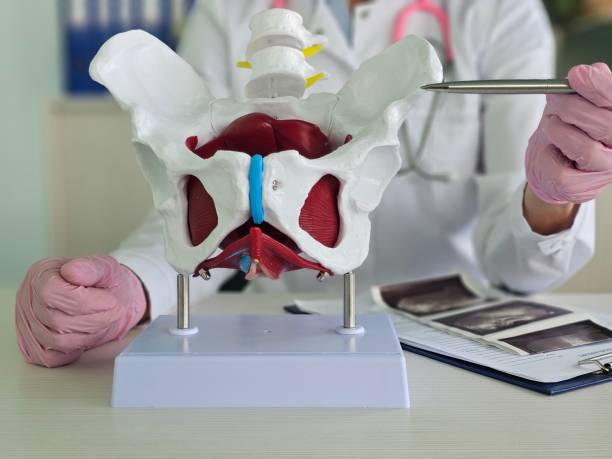
Pelvic floor dysfunction can mean weak, tight or poorly coordinated pelvic muscles, causing bladder, bowel, sexual, pain or support problems. It can affect women at any age and is treatable.
-
![A Woman’s Guide to Confident Healthcare Conversations [Free Guide Incl.]](https://api.maximawomenshealth.com/wp-content/uploads/2026/08/A-Womans-Guide-to-Confident-Healthcare-Conversations.jpg)
Your voice is one of the most valuable tools in your healthcare journey. Discover practical ways to prepare for appointments and build the confidence to make informed decisions about your health with our latest guide.
-

Many common beliefs about periods, fertility and gynaecological health are based on outdated information. Understanding the facts can help you make informed decisions, recognise when something isn’t normal, and seek care with confidence.
-

Mild period cramps are common, but severe or worsening pain that affects your daily life isn’t something you should ignore. Understanding what’s normal can help you recognise when it’s time to seek medical advice.
-
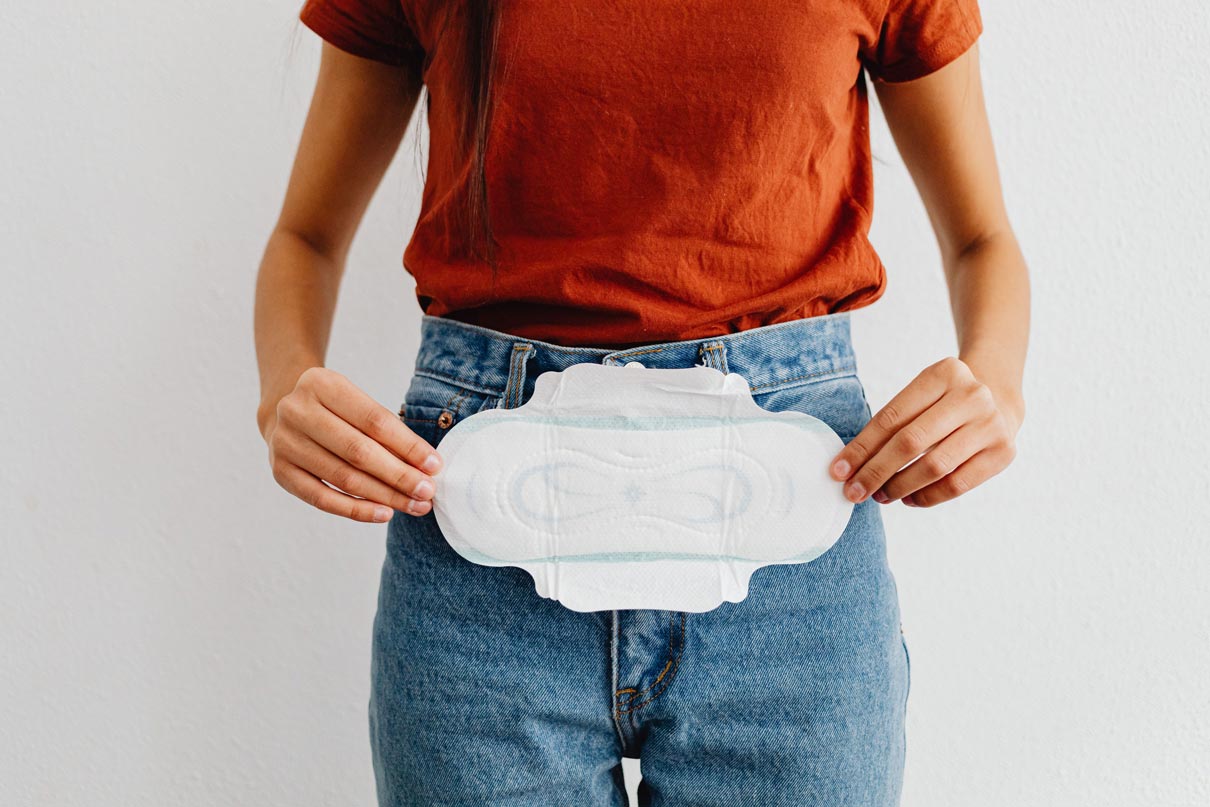
Heavy periods are common but not normal if they disrupt your life. Understanding the causes, recognising symptoms, and seeking early medical care can improve your health, energy, fertility, and overall quality of life.
-

Spotting between periods is common and often harmless, but persistent, heavy, painful or unusual bleeding can signal an underlying condition. Understanding the possible causes helps you know when to seek professional medical care.
-

Tracking your menstrual cycle can help you understand patterns in your hormones, symptoms, fertility, and overall wellbeing. Learn what to track, why it matters, and when changes may need medical support.
-

Chronic stress can influence hormone balance, affecting periods, mood, energy, sleep, skin and fertility. Learn the signs of stress-related hormonal imbalance and when to seek support.