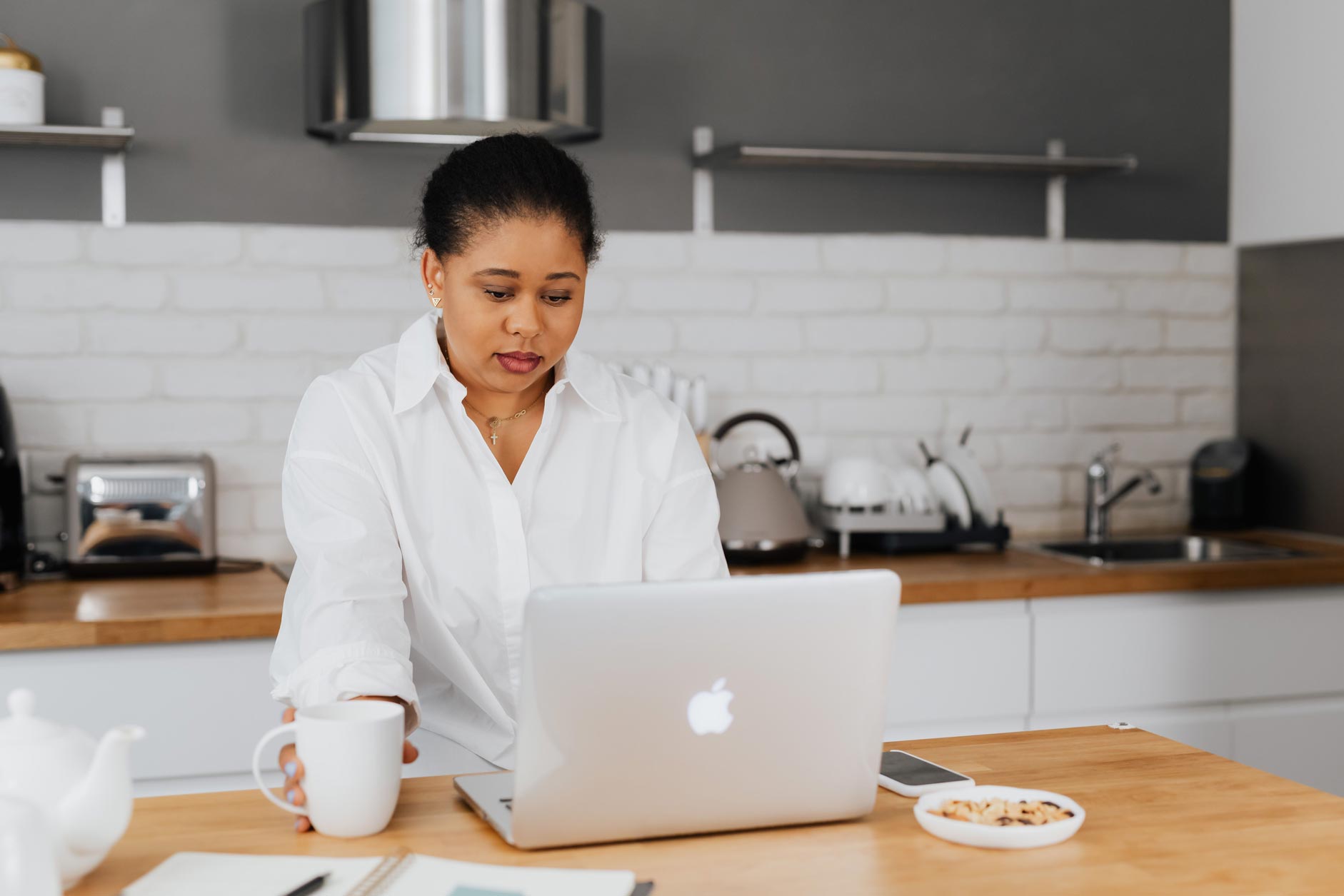
Many women are expected to maintain the same level of productivity every day of the month, regardless of where they are in their menstrual cycle. Deadlines don’t pause, children still need caring for, work meetings need to continue, meals need cooking and household responsibilities remain.
Yet for many women, menstruation brings a combination of physical, emotional and mental changes that can make these everyday demands feel significantly more challenging.
While some people experience only mild symptoms, others may deal with painful cramps, heavy bleeding, headaches, fatigue, digestive changes, disrupted sleep or mood fluctuations that interfere with daily life. These symptoms are common—but they should never simply be accepted as something you have to “push through.”
Your Period Is Part of Your Health, Not Separate From It
Learning to work with your body’s natural rhythms rather than constantly fighting against them can improve your wellbeing, productivity and quality of life. Supporting your health during your period isn’t about doing less—it’s about making informed choices that help your body perform at its best.
At Maxima Women’s Health, we believe menstrual health is an essential part of overall health. Understanding how your body changes throughout your cycle empowers you to make healthier decisions, recognise when symptoms are normal, and know when it’s time to seek medical advice.
Why Your Energy Changes During Your Period
One of the most common concerns women report during menstruation is feeling unusually tired or lacking motivation. There are several physiological reasons why this happens.
During menstruation, hormone levels—particularly oestrogen and progesterone—are at their lowest. These hormones influence many systems throughout the body, including the brain, muscles, metabolism and energy regulation.
In addition, your body is working to shed the uterine lining, a process driven by hormone-like chemicals called prostaglandins. These compounds are essential for menstruation.
However, they can also contribute to:
- Uterine cramping
- Headaches
- Nausea
- Diarrhoea
- Muscle aches
- Fatigue
Women with heavier menstrual bleeding may also lose larger amounts of iron each month. Over time, this can contribute to iron deficiency, one of the leading causes of persistent fatigue in women of reproductive age.
It’s also important to remember that menstrual symptoms vary widely. One month may feel relatively manageable, while another may be more physically demanding due to stress, illness, poor sleep or hormonal variation.
Rather than judging yourself for having less energy, recognise that these fluctuations are a normal part of your body’s physiology.
Listening to these signals can help prevent burnout and reduce unnecessary physical or emotional strain.
Planning Your Work Around Your Energy Levels
Although not everyone has the flexibility to adjust their schedule, even small changes can make a noticeable difference. Instead of expecting yourself to perform at maximum capacity every day, consider matching tasks to your available energy where possible.
During heavier flow days, prioritise work that requires focus but less physical effort. Administrative tasks, planning, responding to emails or quieter projects may feel more manageable than back-to-back meetings or physically demanding work.
As your energy gradually improves over the following days, you may find it easier to tackle creative thinking, presentations or more demanding responsibilities.
If you work from home, simple adjustments such as taking short movement breaks, stretching every hour or using a heating pad while working can help improve comfort without disrupting productivity.
For women who work in physically demanding jobs, staying hydrated, eating regular meals and taking scheduled breaks become even more important during menstruation.
Working with your body’s natural fluctuations is not a sign of weakness—it is a practical approach to maintaining long-term health and sustainable productivity.
Managing Period Pain Without Letting It Take Over
Menstrual cramps are one of the most common reasons women struggle at work or school during their period.
Cramps occur when the uterus contracts to shed its lining. These contractions are triggered by prostaglandins. Higher prostaglandin levels are associated with stronger contractions and increased pain.
While pain severity differs between individuals, several evidence-based strategies may help reduce discomfort.
These include:
- Applying gentle heat to the lower abdomen
- Engaging in light physical activity such as walking
- Maintaining hydration throughout the day
- Avoiding long periods of sitting without movement
- Practising slow, deep breathing to reduce muscle tension
- Taking prescribed or pharmacist-recommended pain relief as directed
However, severe pain that regularly prevents you from working, studying or carrying out normal daily activities is not considered normal.
Conditions such as endometriosis, adenomyosis, uterine fibroids or pelvic inflammatory disease can all cause significant menstrual pain and require proper medical assessment.
Pain should never be dismissed simply because it occurs during your period.
Fuel Your Body Instead of Skipping Meals
Busy schedules often lead women to rely on caffeine, sugary snacks or skipped meals—especially when they’re feeling tired. Unfortunately, these habits can worsen energy crashes and leave you feeling even more fatigued.
During your period, your body benefits from meals that provide a steady supply of nutrients and support hormone function.
Aim to include:
- Lean sources of protein for muscle repair and sustained energy
- High-fibre carbohydrates for stable blood sugar
- Healthy fats that support hormone production
- Holourful vegetables and fruit for antioxidants and vitamins
- Iron-rich foods to replace menstrual iron losses
- Magnesium-rich foods that may support muscle relaxation
Eating regularly also helps maintain more consistent blood glucose levels, which may reduce irritability, improve concentration and prevent sudden drops in energy.
The Mediterranean-style eating pattern—rich in vegetables, legumes, whole grains, olive oil, nuts and fish—is one of the best-supported dietary approaches for overall health and may also benefit menstrual wellbeing.
Prioritise Rest Without Feeling Guilty
In a culture that often celebrates constant productivity, rest can feel like a luxury rather than a necessity. However, during your period, rest is an important part of supporting your body’s natural processes—not a sign of laziness.
While you don’t need to spend your entire period in bed, recognising when your body needs additional recovery can help reduce fatigue, improve concentration and support overall wellbeing.
The menstrual phase is physically demanding. Your body is shedding the uterine lining, replacing blood loss, regulating hormone levels and activating inflammatory pathways that help complete the menstrual process. These internal processes require energy, even if they aren’t visible.
If you’re feeling more tired than usual, consider making small adjustments such as:
- Going to bed 30–60 minutes earlier.
- Limiting late-night screen time to improve sleep quality.
- Planning demanding tasks earlier in the day if your energy is highest in the morning.
- Taking short breaks between meetings or household tasks.
- Allowing yourself time to recover after particularly busy days.
Quality sleep is particularly important during menstruation. Poor sleep has been linked to increased pain sensitivity, greater fatigue, reduced concentration and heightened emotional stress. Creating a consistent bedtime routine, keeping your bedroom cool and dark, and avoiding excessive caffeine later in the day can all contribute to more restorative sleep.
Remember, recovery supports productivity. Looking after yourself today helps you perform better tomorrow.
Movement Can Help, Even When You Don’t Feel Like It
Many women feel tempted to avoid exercise altogether during their period, particularly if they’re experiencing cramps or low energy. While it’s perfectly appropriate to rest when symptoms are severe, gentle movement can actually help many women feel better.
Exercise stimulates blood circulation, releases endorphins (the body’s natural pain-relieving chemicals) and may help reduce muscle tension, improve mood and lessen menstrual cramps.
The key is to choose movement that matches how you’re feeling rather than forcing yourself into an intense workout.
If you’re experiencing low energy, consider:
- A gentle walk outdoors.
- Stretching or mobility exercises.
- Yoga or Pilates.
- Easy cycling.
- Light swimming if comfortable.
If you’re feeling well and your symptoms are mild, there is usually no medical reason to avoid your normal exercise routine.
Strength training, resistance exercise and higher-intensity workouts can all be continued during menstruation if you feel capable. Some women even report feeling stronger once cramping settles.
For women involved in combat sports, such as boxing, jiu-jitsu or martial arts, it’s important to listen to your body. If you’re experiencing dizziness, heavy bleeding or severe cramps, reducing training intensity or focusing on technique drills rather than high-intensity sparring may be appropriate for a day or two.
The goal isn’t to stop exercising—it’s to exercise intelligently.
Managing Stress Helps Manage Your Cycle
Stress doesn’t just affect your mental health—it also affects your hormones.
When you’re under prolonged stress, your body releases cortisol, often referred to as the “stress hormone.” While cortisol is essential for responding to challenges, persistently elevated levels can influence the hypothalamic-pituitary-ovarian (HPO) axis, the hormonal communication system responsible for regulating the menstrual cycle.
High stress levels have been associated with:
- Irregular menstrual cycles.
- Missed periods.
- More severe PMS symptoms.
- Poor sleep.
- Increased fatigue.
- Reduced concentration.
- Heightened perception of pain.
Periods of significant work pressure, examinations, family responsibilities or emotional stress can all contribute to these changes. However, managing stress doesn’t require hours of meditation each day.
Small, sustainable habits can make a meaningful difference, including:
- Taking short breaks during the workday.
- Practising slow, controlled breathing.
- Spending time outdoors.
- Limiting unnecessary overtime where possible.
- Speaking with trusted family members or friends.
- Maintaining regular meals and adequate hydration.
- Setting realistic expectations for yourself during more symptomatic days.
Reducing stress isn’t about eliminating life’s challenges—it’s about giving your body the resources it needs to cope with them.
Don’t Ignore Your Mental and Emotional Wellbeing
Many women notice emotional changes before or during their period.
Hormonal fluctuations can influence neurotransmitters such as serotonin, contributing to temporary changes in mood, motivation and emotional sensitivity.
You may notice:
- Feeling more emotional than usual.
- Increased irritability.
- Difficulty concentrating.
- Feeling overwhelmed by everyday tasks.
- Reduced motivation.
- Increased anxiety.
These changes are common and often improve as hormone levels stabilise after menstruation begins.
However, severe mood changes that interfere with relationships, work or daily functioning are not something you simply have to accept.
Conditions such as Premenstrual Dysphoric Disorder (PMDD), anxiety disorders and depression can overlap with menstrual symptoms and deserve proper medical assessment.
If emotional symptoms become persistent, severe or begin affecting your quality of life, speak with your healthcare provider.
Looking after your mental health is just as important as managing physical symptoms.
Know When Your Symptoms Need Medical Attention
While many menstrual symptoms can be managed with lifestyle measures, some should never be ignored.
Book an appointment with your healthcare provider if you experience:
- Period pain that prevents you from working, studying or carrying out normal daily activities.
- Heavy bleeding that soaks through pads or tampons every hour for several consecutive hours.
- Bleeding lasting longer than seven days.
- Passing very large blood clots.
- Persistent fatigue that may suggest iron deficiency.
- Bleeding between periods.
- Bleeding after sexual intercourse.
- Irregular periods that suddenly change.
- Symptoms that continue to worsen over time.
These symptoms may indicate underlying conditions such as endometriosis, adenomyosis, uterine fibroids, polyps, hormonal disorders or bleeding disorders.
Early diagnosis often leads to more effective treatment and can prevent complications.
No one should feel they have to “just live with it.”
Building a Period-Friendly Routine
There is no perfect routine that works for everyone, but creating small habits that support your body each month can make your menstrual cycle more manageable.
Consider:
- Tracking your cycle so you know when your period is likely to start.
- Preparing healthy meals ahead of busy weeks.
- Keeping a reusable heat pack available at home or work.
- Staying hydrated throughout the day.
- Carrying period products in your work bag.
- Scheduling preventive healthcare appointments when needed.
- Allowing yourself flexibility on days when symptoms are more noticeable.
- Continuing healthy habits throughout the month rather than only during your period.
Over time, these small adjustments can reduce stress and help you feel more in control of your health.
Remember, your menstrual cycle isn’t something to battle against. It’s a normal part of your health that deserves understanding, care and attention.
Final Thoughts
Balancing work, family, study and personal responsibilities while managing your period can be challenging—but it shouldn’t come at the expense of your health.
Every woman’s menstrual experience is different, and it’s important to recognise what is normal for your body while remaining aware of symptoms that may require medical assessment.
Supporting yourself through good nutrition, regular movement, adequate sleep, stress management and preventive healthcare can improve not only your menstrual health, but your overall wellbeing throughout every stage of life.
At Maxima Women’s Health, we’re committed to helping women understand their bodies, identify when something isn’t right and access compassionate, evidence-based care when they need it most.
Experiencing heavy periods or severe pain?
You don’t have to manage difficult periods alone. Book an appointment with Maxima Women’s Health for personalised assessment and treatment.
Want more practical women’s health advice?
Stay informed every month. Subscribe to the Maxima Women’s Health newsletter for trusted, evidence-based articles delivered straight to your inbox.
Looking after your health starts with understanding your body.
Explore our Women’s Wellness Resource Centre for expert guidance on menstrual health, fertility, pregnancy and lifelong wellbeing.
Leave a Reply