Category: Health & Wellness
-

Your body changes quickly during pregnancy, and your exercise routine may need to change with it. Here’s how to adapt movement, strength, cardio and recovery through each trimester.
-
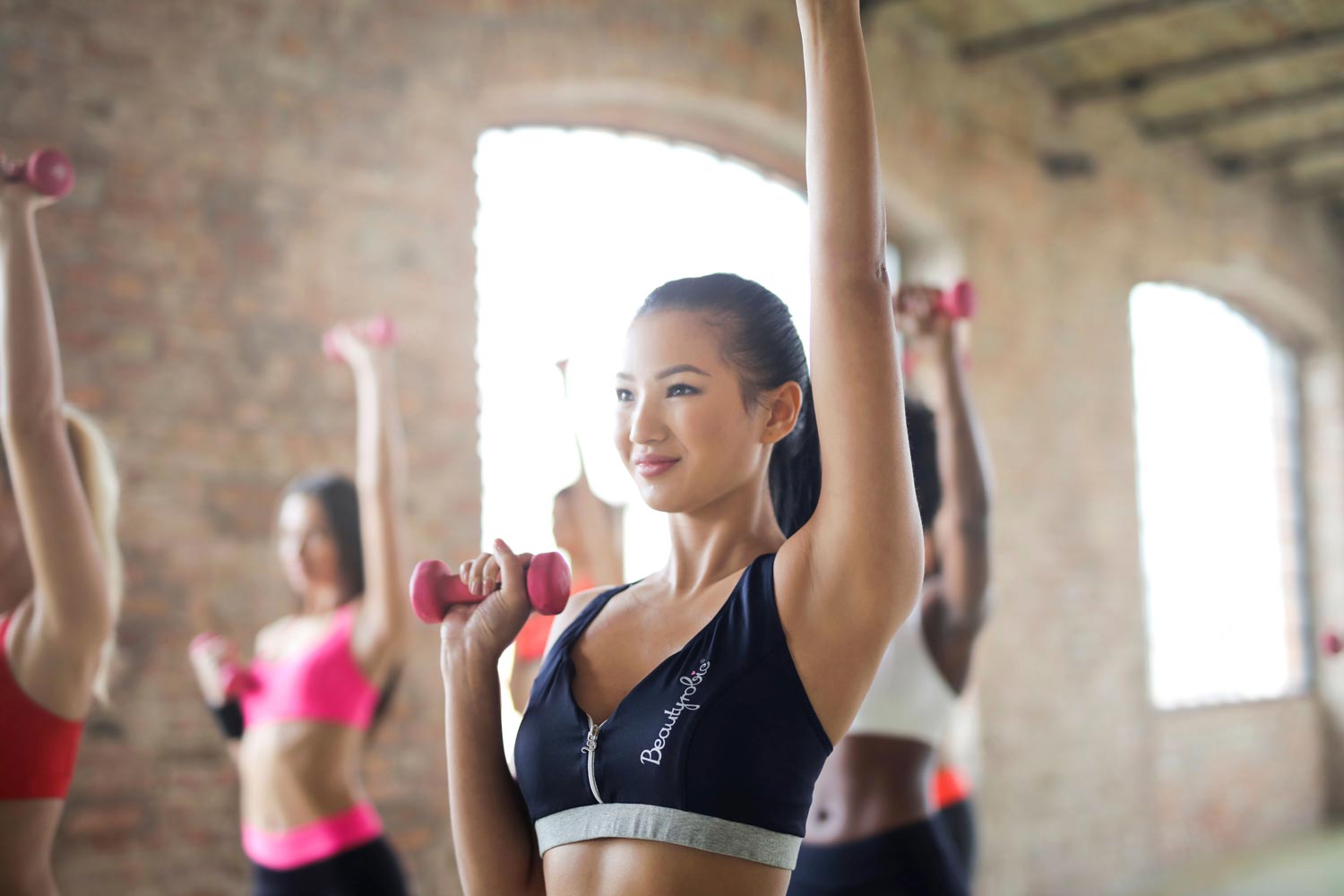
Strength training is about far more than building muscle. Discover how resistance exercise supports bone health, metabolism, confidence and healthy ageing—and separate the evidence from the myths.
-

The sex talk does not need to be one big, uncomfortable conversation. Learn how to talk to your daughter about consent, contraception, condoms, relationships and sexual health with honesty, confidence and care.
-

Your menstrual cycle can affect energy, mood and productivity. Understanding your body’s changing needs—and supporting them, can help you feel healthier, more balanced and better equipped to navigate work and daily life.
-

A Mediterranean-style diet may reduce inflammation, support hormone production, improve insulin sensitivity, and provide key nutrients that contribute to more regular, less painful menstrual cycles and better long-term reproductive health.
-

Regular, balanced movement supports hormone health, ovulation and menstrual regularity by improving insulin sensitivity, reducing stress and promoting overall wellbeing. Consistency, recovery and proper nutrition matter just as much as exercise itself.
-

Poor sleep and chronic stress can disrupt cortisol, reproductive hormones, mood, metabolism and energy. Understanding the sleep-hormone connection can help women support better hormonal balance and overall wellbeing.
-
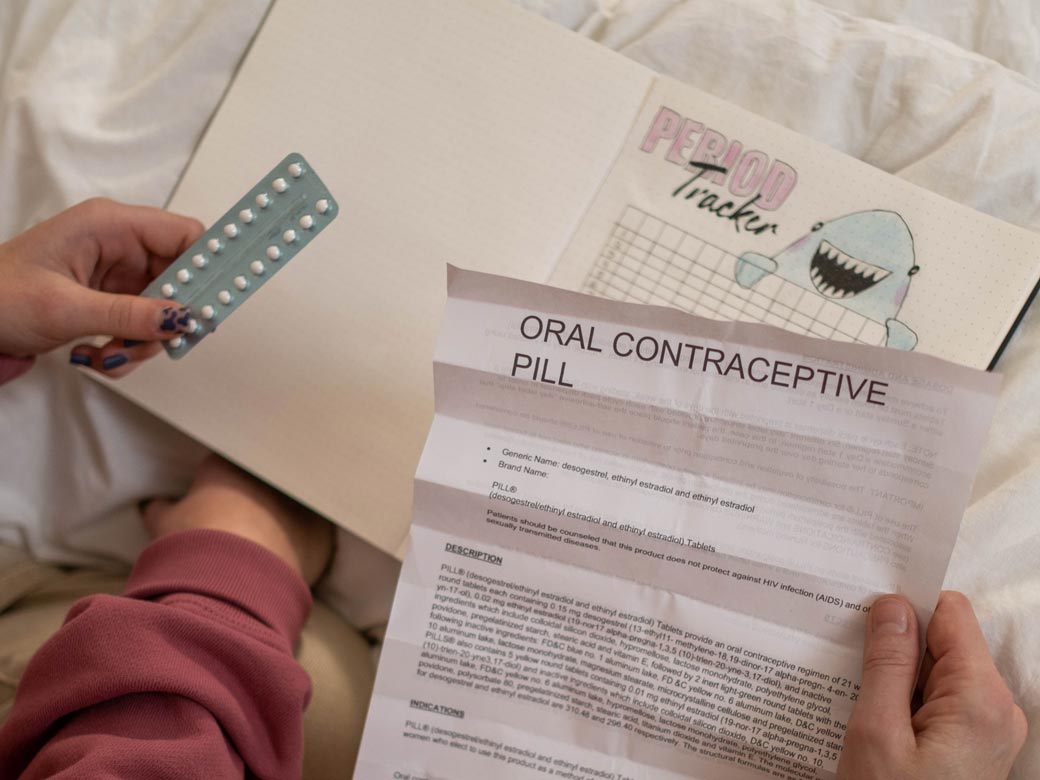
Hormonal contraception can help manage some symptoms of stress-related hormonal imbalances, but long-term hormonal health often benefits from addressing underlying stress, sleep, nutrition, movement, and lifestyle factors.
-

Burnout doesn’t only affect your mental wellbeing. Chronic stress at any age can influence hormone regulation, leading to fatigue, sleep disturbances, mood changes, irregular menstrual cycles, and reduced resilience.
-
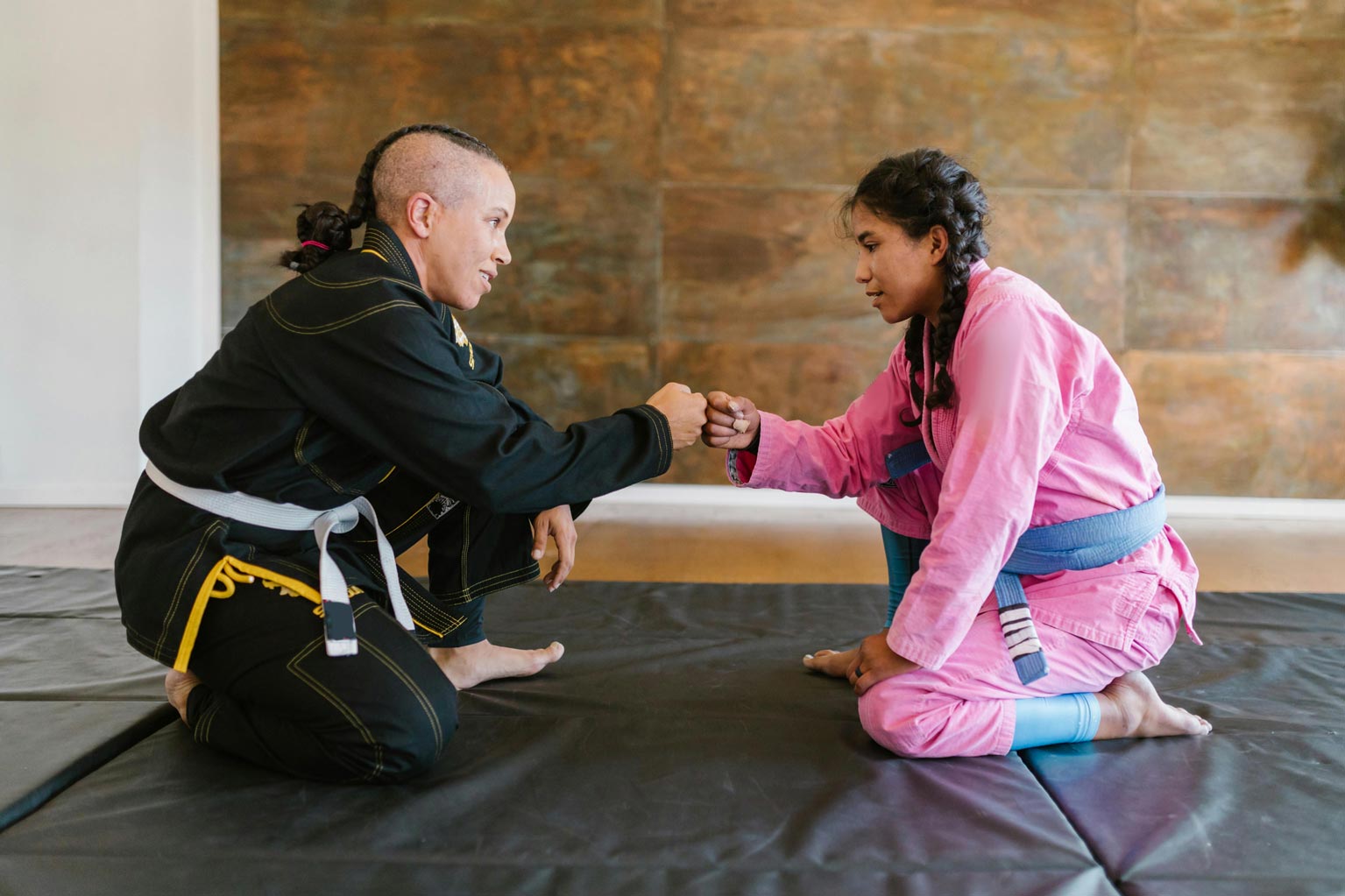
Combat sports like MMA and Brazilian jiu-jitsu (BJJ) can positively support hormone health by improving insulin sensitivity, reducing stress, regulating cortisol, supporting metabolic health, and boosting confidence – when approached sustainably.