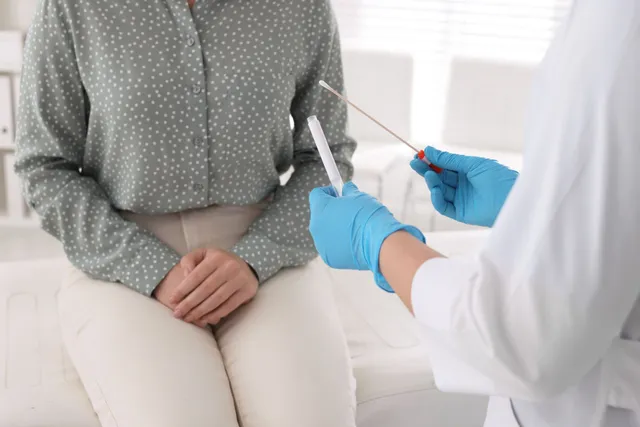
Sexual health is a vital part of your overall wellbeing — yet it’s often the most overlooked. Many sexually transmitted infections (STIs) don’t show obvious symptoms, which means you can feel completely healthy and still have an infection. That’s why regular STI testing isn’t just responsible — it’s empowering.
At Maxima Women’s Health, we approach sexual health with discretion, compassion, and clinical precision — giving you clarity, control, and peace of mind.
Why STI Testing Matters
STIs such as Chlamydia, Gonorrhoea, Human Immunodeficiency Virus (HIV), and Human Papillomavirus (HPV) are often asymptomatic — especially in women. Left untreated, they can lead to complications like pelvic inflammatory disease, infertility, chronic pelvic pain, pregnancy complications, and increased risk of other infections.
Early detection allows for effective treatment, reduces long-term health risks, and protects both you and your partners.
When Should You Get Tested?
You should consider STI testing if:
- You’ve had unprotected sex
- You’ve started a new relationship
- You have multiple partners
- You’re experiencing symptoms (discharge, pain, itching, sores)
- A partner has tested positive
- You’re planning a pregnancy
- You haven’t been tested in the past year
Routine testing is recommended even if you feel completely well.
Understanding STI Tests: What & Why
At Maxima Women’s Health, STI testing is never one-size-fits-all. Your doctor will recommend specific tests based on your history, symptoms, and risk factors. Here’s a deeper look at the most common tests — and why each one matters.
Blood Tests (Systemic Infections)
What they test for:
- HIV
- Syphilis
- Hepatitis B & C
How they work:
A small blood sample is analysed for antibodies (your body’s response to infection) or antigens (parts of the virus itself).
Why they’re needed:
These infections often circulate in the bloodstream and may not cause immediate symptoms. For example:
- HIV can remain asymptomatic for years while affecting the immune system
- Syphilis progresses in stages and can become severe if untreated
- Hepatitis infections can silently damage the liver
Clinical value: Early detection allows for life-saving treatment, monitoring, and prevention of transmission — especially important for pregnancy planning.
Urine Tests (First-Line Screening)
What they test for:
- Chlamydia
- Gonorrhoea
How they work:
A urine sample is tested using highly sensitive molecular methods (NAAT – nucleic acid amplification testing) to detect bacterial DNA.
Why they’re needed:
These are among the most common STIs and are frequently symptom-free in women. Untreated infections can lead to pelvic inflammatory disease and infertility.
Clinical value:
- Non-invasive and quick
- Highly accurate
- Ideal for routine screening
Swab Tests (Targeted, Site-Specific Testing)
What they test for:
- Chlamydia
- Gonorrhoea
- Trichomoniasis
- Yeast or bacterial infections (if symptoms overlap)
How they work:
A sample is taken from the cervix, vagina, throat, or rectum depending on exposure and symptoms.
Why they’re needed:
Some infections are localised and won’t always show up in urine or blood tests. For example, throat or rectal infections require site-specific swabs.
Clinical value:
- More precise diagnosis
- Helps guide targeted treatment
- Essential for patients with symptoms or specific exposure risks
Pap Smear & HPV Testing (Cervical Health Screening)
What they test for:
- Abnormal cervical cells
- High-risk strains of HPV
How they work:
Cells are gently collected from the cervix and analysed for early changes that could lead to cervical cancer.
Why they’re needed:
HPV is extremely common and often clears on its own — but certain high-risk strains can cause cervical cancer over time without symptoms.
Clinical value:
- Detects pre-cancerous changes early
- Prevents progression to cervical cancer
- Often combined with routine gynaecological care
Rapid Testing (Immediate Insight)
What they test for:
- HIV (most commonly)
How they work:
A finger-prick blood sample or oral swab provides results within minutes.
Why they’re needed:
Rapid tests are especially useful in high-anxiety situations or when immediate decisions are needed.
Clinical value:
- Fast results
- Immediate counselling and next steps
- Encourages more people to test regularly
Signs You Shouldn’t Ignore
While many STIs are silent, symptoms can include:
- Unusual vaginal discharge
- Burning during urination
- Pelvic or abdominal pain
- Pain during intercourse
- Sores, bumps, or rashes
- Irregular bleeding
These symptoms don’t always mean an STI — but they do mean it’s time to get checked.
What Happens If You Test Positive?
A positive result is not a dead end — it’s a turning point toward treatment and control.
Treatment options may include:
- Antibiotics for bacterial infections
- Antiviral therapy for long-term viral management
- Follow-up testing to confirm resolution
- Partner treatment to prevent reinfection
At Maxima Women’s Health, care is handled with confidentiality, clarity, and zero judgement.
Prevention Is Still Key
- Use protection consistently
- Test regularly
- Communicate openly with partners
- Consider HPV vaccination
Prevention and testing work hand in hand. If STI testing is recommended, we will guide you through the process with complete discretion
STI testing is just one component of a proactive approach — discover all the preventative health screenings every woman needs.
Your health deserves clarity — not guesswork. Book a confidential STI screening with Maxima Women’s Health today and take control of your sexual wellbeing.
Discreet care. Expert guidance. Complete support.
Leave a Reply