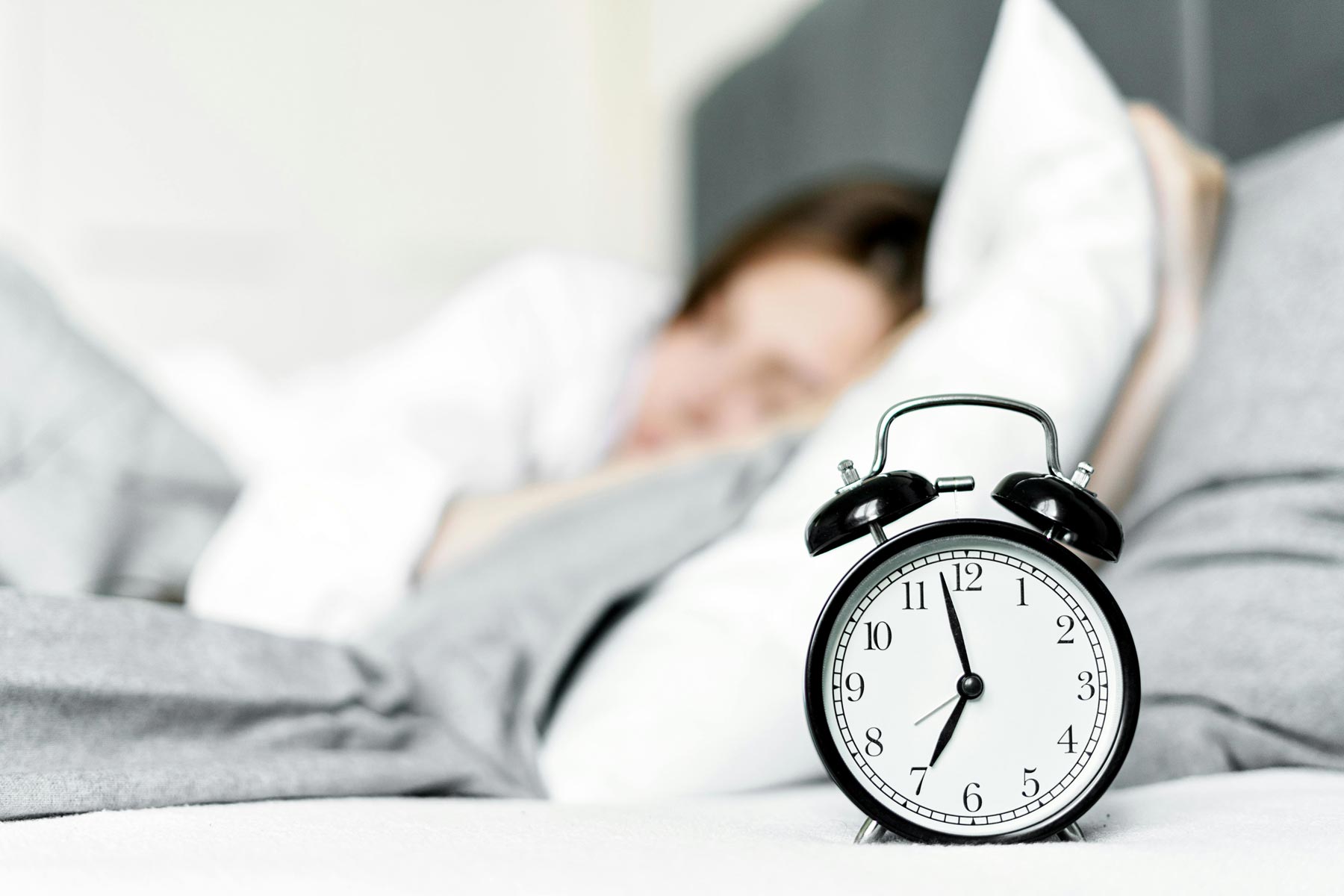
From a women’s health and neurodevelopmental perspective, ADHD-related sleep disruption is not treated as a standalone sleep issue—it is understood as a multi-system interaction between brain chemistry, hormonal regulation, and behavioural rhythm patterns.
This is why effective support often requires:
- Sleep regulation strategies (circadian alignment)
- ADHD-specific cognitive support tools
- Hormonal and metabolic screening where indicated
- Nervous system regulation approaches
Why Waking Up Feels So Hard with ADHD
For many women with ADHD, mornings are not just “difficult”—they can feel physically and mentally inaccessible. This is often misunderstood as poor motivation, but clinically, it is linked to how ADHD affects the brain’s regulation of:
- Dopamine (motivation and reward)
- Circadian rhythm (sleep-wake timing)
- Executive function (transitioning between states)
In simple terms, the brain struggles to shift from rest mode to activation mode.
This can result in:
- Heavy sleep inertia (feeling “stuck” or foggy on waking)
- Difficulty transitioning out of sleep
- Emotional dysregulation in the morning
- Chronic fatigue despite long sleep hours
The ADHD–Sleep Connection
Research shows that ADHD is strongly associated with delayed sleep phase syndrome (DSPS), where the body naturally prefers a later sleep and wake time.
For many women, ADHD does not only affect focus during the day; it significantly influences when the brain feels alert, when it winds down, and how smoothly it transitions between states of rest and wakefulness.
This means:
- Falling asleep may only feel natural after midnight
- Waking at conventional times (e.g. 6–8am) feels biologically misaligned
- The body is “awake at night, asleep in the morning”
This is not behavioural—it is neurological timing variation. At the core of this connection are three key systems: dopamine regulation, circadian rhythm timing, and executive function control.
Dopamine Regulation and “Night-Time Alertness”
Dopamine plays a central role in ADHD. It influences motivation, reward, and the ability to initiate or sustain tasks.
In ADHD brains, dopamine activity is often lower or inconsistently regulated, which can lead to a paradoxical pattern:
- Low stimulation during the day → under-arousal, fatigue, difficulty initiating tasks
- Increased stimulation at night → improved focus, mental clarity, productivity spikes
This is why many women with ADHD describe feeling:
“Finally awake when everyone else is asleep.”
At night, external demands decrease, sensory input is reduced, and the brain experiences a relative increase in internal stimulation, making it easier to focus or think clearly.
Unfortunately, this often leads to delayed sleep onset, reinforcing a cycle of late-night wakefulness and morning exhaustion.
Circadian Rhythm Delay (Delayed Sleep Phase Tendency)
Research consistently shows a higher prevalence of Delayed Sleep Phase Syndrome (DSPS) or delayed circadian rhythms in individuals with ADHD.
This means the body’s internal clock is naturally shifted later than typical societal schedules.
Clinically, this presents as:
- Difficulty falling asleep before midnight (or later)
- Peak alertness occurring in the evening or night
- Difficulty waking at conventional morning hours
- Feeling “jet-lagged” in the morning despite adequate sleep duration
This is not a behavioural preference—it reflects a biological shift in melatonin release and core body temperature timing, both of which are regulated differently in ADHD nervous systems.
Executive Function and Sleep Transitioning
Executive function refers to the brain’s ability to:
- Initiate tasks
- Shift between states
- Regulate attention and impulse control
- Sequence actions (e.g. “get ready for bed”)
In ADHD, executive function can be inconsistent—especially during low-energy periods such as evening wind-down or early morning activation.
This can lead to:
- Difficulty starting bedtime routines even when tired
- “Time blindness” (losing track of time while scrolling, working, or thinking)
- Delayed transition from stimulation to rest
- Difficulty waking due to poor state-shifting ability
Essentially, the brain struggles not with sleep itself—but with the transitions into and out of sleep states.
Sleep Quality vs Sleep Quantity Mismatch
Many women with ADHD report:
- Sleeping 7–9 hours
- Still waking exhausted
- Feeling mentally “foggy” for hours after waking
This is often due to sleep architecture disruption, including:
- Difficulty achieving deep restorative sleep
- Frequent micro-awakenings (not always consciously remembered)
- Delayed melatonin onset
- Overactive cognitive processing at night
As a result, sleep duration may appear normal, but sleep quality and neurological restoration are reduced.
The Reinforcing Cycle
The ADHD–sleep relationship is self-reinforcing:
- Dopamine increases at night → delayed sleep
- Circadian rhythm shifts later → harder mornings
- Executive dysfunction → difficulty waking and starting the day
- Daytime fatigue → reliance on evening stimulation or caffeine
- Cycle repeats and strengthens over time
Without intervention, this can become a stable but dysregulated sleep pattern, rather than an occasional issue.
Hormones, Nervous System & Sleep in Women
Women with ADHD often experience additional complexity due to hormonal fluctuations.
Key influences include:
- Oestrogen: affects dopamine regulation and alertness
- Progesterone: influences sedation and sleep quality
- Menstrual cycle shifts: can worsen fatigue and brain fog
This is why sleep struggles may feel:
- Worse premenstrually
- More intense during stress
- Inconsistent across the month
Common Sleep Patterns in ADHD Women
Many women report:
- Racing thoughts at night (“finally quiet brain syndrome”)
- Late-night productivity bursts
- Difficulty shutting off stimulation
- Waking exhausted despite 7–9 hours of sleep
This creates a cycle of:
Delayed sleep → difficulty waking → daytime exhaustion → reliance on late-night stimulation
When Sleep Becomes a Clinical Concern
You may benefit from further assessment if you experience:
- Persistent difficulty waking despite adequate sleep
- Severe daytime fatigue or “brain fog”
- Irregular sleep timing that disrupts daily functioning
- Suspected ADHD with sleep-related impairment
- Anxiety or mood symptoms linked to sleep disruption
Support & Management Strategies
Circadian Rhythm Support
- Morning light exposure within 30 minutes of waking
- Consistent wake time (even after poor sleep)
- Reducing late-night screen stimulation
ADHD-Friendly Sleep Regulation
- “Wind-down buffer time” before bed (no task switching)
- External reminders for sleep routine
- Lower stimulation evening environment
Nervous System Regulation
- Breathwork or grounding techniques before sleep
- Gentle movement (stretching, yoga)
- Reducing caffeine after midday
Medical Support (if needed)
In some cases, clinicians may consider:
- Melatonin regulation support
- ADHD medication timing adjustments
- Treatment of co-existing sleep disorders
The Emotional Reality
Difficulty waking up is often misinterpreted as:
- Laziness
- Lack of discipline
- Poor time management
Clinically, it is none of these.
It is a neurobiological rhythm difference interacting with hormonal and environmental factors. Understanding this shift is often the first step toward reducing self-blame and improving quality of life.
The Key Insight
The most important clinical takeaway is this:
Women with ADHD are not struggling with sleep because they “can’t sleep properly”—they are often operating on a different neurological timing system that conflicts with standard societal sleep schedules.
Understanding this reframes the experience from personal failure to biological pattern recognition, which is often the first step toward effective support and improved daily functioning.
Sleep & Neurodivergent Health Support
At Maxima Women’s Health, we recognise that sleep is not just a lifestyle issue—it is a neurological and hormonal health marker, especially in neurodivergent women.
If morning fatigue or ADHD-related sleep disruption is affecting your daily functioning, our team can help assess underlying causes and refer a professional to help you build a personalised support plan.
Leave a Reply