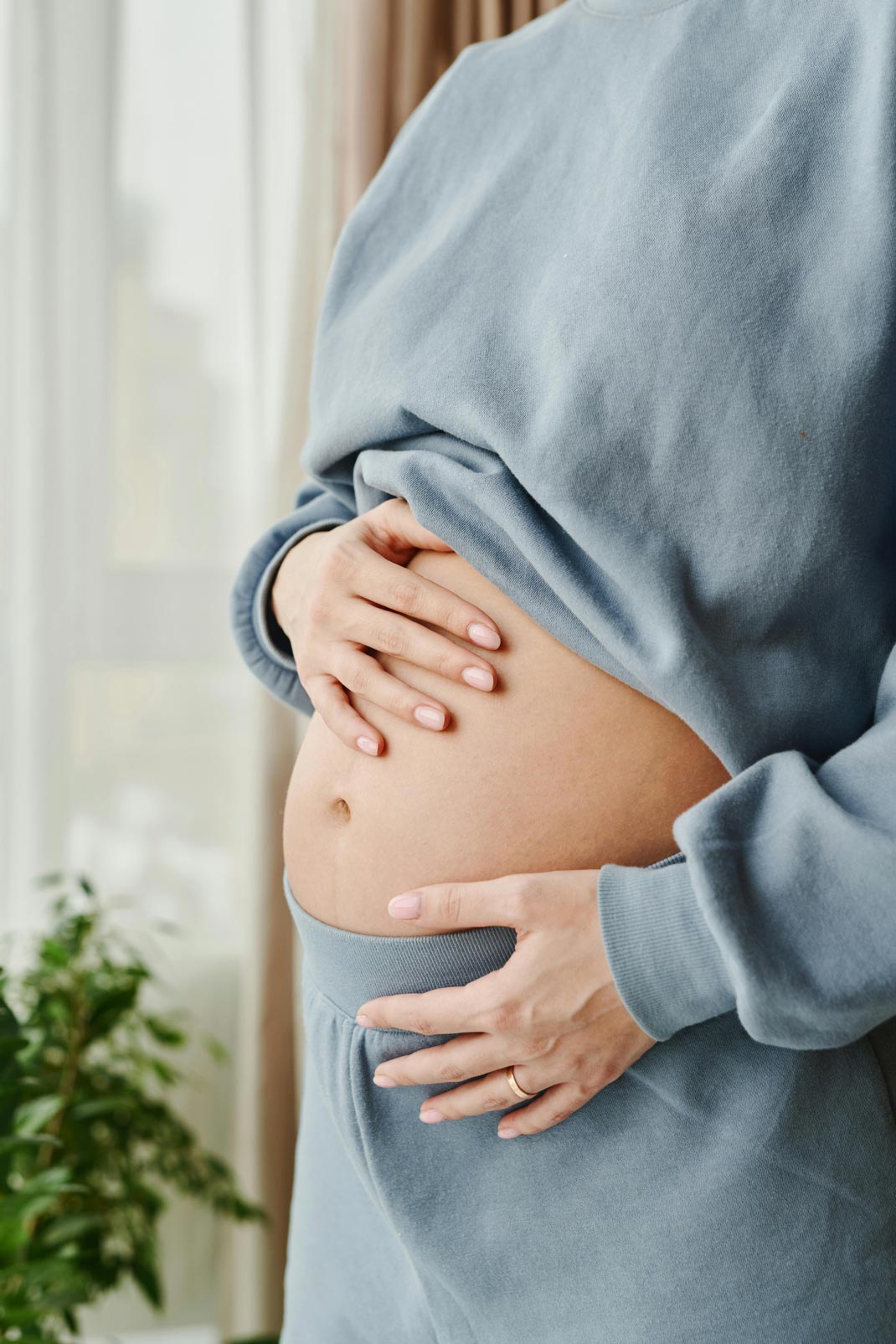
The second trimester (weeks 13–27) is often described as the most stable and energising phase of pregnancy. For many women, early symptoms like nausea and fatigue begin to ease, while physical changes become more visible and predictable.
At Maxima Women’s Health, this stage is seen as a window of growth, monitoring, and preparation — where both maternal wellbeing and fetal development are closely supported.
What Happens to Your Body
adjustment phase into a more stable, growth-focused state. Levels of oestrogen and progesterone remain elevated but more balanced, which is why many women start to feel physically better compared to the first trimester.
This stage is less about sudden change and more about visible progression and structural adaptation — your body is actively making space for your baby while supporting increased blood flow, organ function, and energy demands.
Common Second Trimester Changes (In Detail)
Noticeable baby bump as the uterus expands
Your uterus grows from a pelvic organ into an abdominal one, becoming more visible externally. This growth can create a feeling of tightness or stretching across the lower abdomen.
You may also notice:
- A visible linea nigra (a dark vertical line on the abdomen)
- A firmer, rounded lower belly
- Increased awareness of posture and core support
Reduced nausea and improved appetite
As hCG levels stabilize, nausea often subsides, allowing appetite to return.
This can feel like:
- Renewed interest in food after weeks of aversions
- More stable eating patterns
- Increased hunger as your body requires more energy
Clinical note: This is a key time to prioritise nutrient-dense meals to support foetal growth and maternal energy.
Increased energy levels
Fatigue typically improves as your body adjusts to pregnancy hormones and blood volume stabilises.
Many women experience:
- Greater mental clarity
- Improved physical stamina
- Ability to return to light exercise or routine activities
However, energy levels can still fluctuate — rest remains essential.
Skin changes (pigmentation and “pregnancy glow”)
Hormonal changes increase melanin production and blood circulation to the skin.
Common skin-related changes include:
- Melasma (darkened patches, often on the face)
- Darkening of the areola and linea nigra
- Increased oil production leading to either clearer skin or breakouts
- A natural “glow” due to increased blood flow
What helps: Daily sun protection and gentle skincare routines can help manage pigmentation.
Mild swelling in hands and feet
As blood volume increases and circulation changes, mild fluid retention (oedema) can occur.
You may notice:
- Slight puffiness in fingers, ankles, or feet
- Shoes or rings feeling tighter
- Swelling that worsens later in the day
What helps: Elevating the legs, staying hydrated, and gentle movement to support circulation.
Back pain or pelvic discomfort
As your uterus grows, your centre of gravity shifts, placing strain on your lower back and pelvis.
This can result in:
- Lower back pain
- Pelvic pressure or instability
- Round ligament pain (sharp or pulling sensations in the lower abdomen)
What helps:
- Good posture and ergonomic support
- Prenatal physiotherapy or guided movement
- Supportive footwear and avoiding prolonged standing
Quickening — first baby movements (18–22 weeks)
One of the most significant milestones in the second trimester is feeling your baby move for the first time.
This may feel like:
- Fluttering
- Light tapping
- Gentle rolling sensations
Movements can be irregular at first and become more consistent as your baby grows.
What’s Considered Normal
Your body is undergoing intentional, functional change — not just cosmetic shifts. Weight gain, changes in shape, and fluctuations in comfort levels are all part of supporting a healthy pregnancy.
Normal patterns include:
- Gradual and steady weight gain
- Shifting posture and balance
- Increased circulation (which may cause warmth or mild swelling)
- Intermittent discomfort that improves with rest or position changes
When to Pay Closer Attention
Even within normal changes, certain patterns should be monitored:
- Sudden or severe swelling (especially in the face or hands)
- Persistent or worsening pain that doesn’t improve with rest
- Skin changes accompanied by itching (especially on palms/soles)
- Rapid or unexplained weight changes
These may require further evaluation as part of routine antenatal care.
What Happens to Your Baby
The second trimester is a critical growth phase where major structures begin to develop and refine.
Key developmental milestones:
- Organs continue maturing and functioning
- The baby begins to move, stretch, and respond to stimuli
- Facial features become more defined
- Hearing develops — your baby may begin responding to sound
- Lanugo (fine hair) and vernix (protective coating) form on the skin
- Growth accelerates significantly in size and weight
By the end of this trimester, your baby has a more recognisable human form and increasing levels of activity.
Key Second Trimester Tests
Routine screening and monitoring continue during this stage to ensure both maternal and foetal health remain on track.
Anatomy Ultrasound Scan (18–22 weeks)
This detailed scan evaluates your baby’s physical development.
What it assesses:
- Brain, heart, spine, and organ development
- Limb formation and growth
- Placenta position
- Amniotic fluid levels
Why it matters:
This is one of the most important scans in pregnancy, used to detect structural abnormalities and confirm healthy development.
Glucose Screening Test (24–28 weeks)
This test checks for gestational diabetes — a condition where blood sugar levels become elevated during pregnancy.
Why it matters:
Untreated gestational diabetes can affect both mother and baby, increasing the risk of complications during pregnancy and delivery.
Ongoing Blood Pressure & Urine Monitoring
At each antenatal visit, routine checks help identify early signs of complications such as preeclampsia.
What is monitored:
- Blood pressure levels
- Protein in urine
- Signs of swelling or fluid retention
Common Concerns (and What Helps)
Problem: Back pain and pelvic discomfort
Solution: Postural support, prenatal physiotherapy, gentle movement, and supportive footwear.
Problem: Skin changes (pigmentation, stretch marks)
Solution: Hydration, sun protection, and topical care — while understanding that many changes are hormone-driven and temporary.
Problem: Anxiety about baby’s movements
Solution: Education on normal movement patterns. Movements may feel inconsistent at first — this is normal before they become more regular later in pregnancy.
Problem: Gestational diabetes risk
Solution: Early screening, balanced nutrition, and monitoring blood sugar levels where required.
When to Seek Medical Attention
Even in a more stable trimester, certain symptoms should not be ignored:
- Persistent or severe abdominal pain
- Vaginal bleeding or fluid leakage
- Sudden swelling of face or hands
- Severe headaches or visual disturbances
- Noticeable decrease in baby movement (after movements are established)
Early assessment helps prevent complications and ensures timely care.
Emotional & Lifestyle Shifts
The second trimester often allows space for adjustment and planning. Energy returns, routines stabilize, and many women begin preparing for the later stages of pregnancy.
Focus areas include:
- Establishing a consistent antenatal care routine
- Gentle exercise and movement
- Nutritional optimisation
- Emotional preparation and support systems
- Planning for maternity care and birth preferences
At Maxima Women’s Health, second trimester care focuses on structured monitoring and proactive support. This stage is used to build confidence, track development, and identify any risks early — while maintaining a calm and informed pregnancy experience.
If you’re entering your second trimester or preparing for your anatomy scan, book a consultation with Maxima Women’s Health for personalised antenatal care, structured monitoring, and expert guidance through every stage of your pregnancy.
Leave a Reply