Category: Obstetrics
-

Pregnancy comes with plenty of questions about what is safe. We unpack the facts behind Pap smears during pregnancy, including when they are used, what they can detect and when follow-up may be needed.
-

Your baby isn’t the only one recovering after birth. Here’s what to expect during the first six weeks — from bleeding and pelvic floor changes to breastfeeding, movement, emotions and warning signs.
-
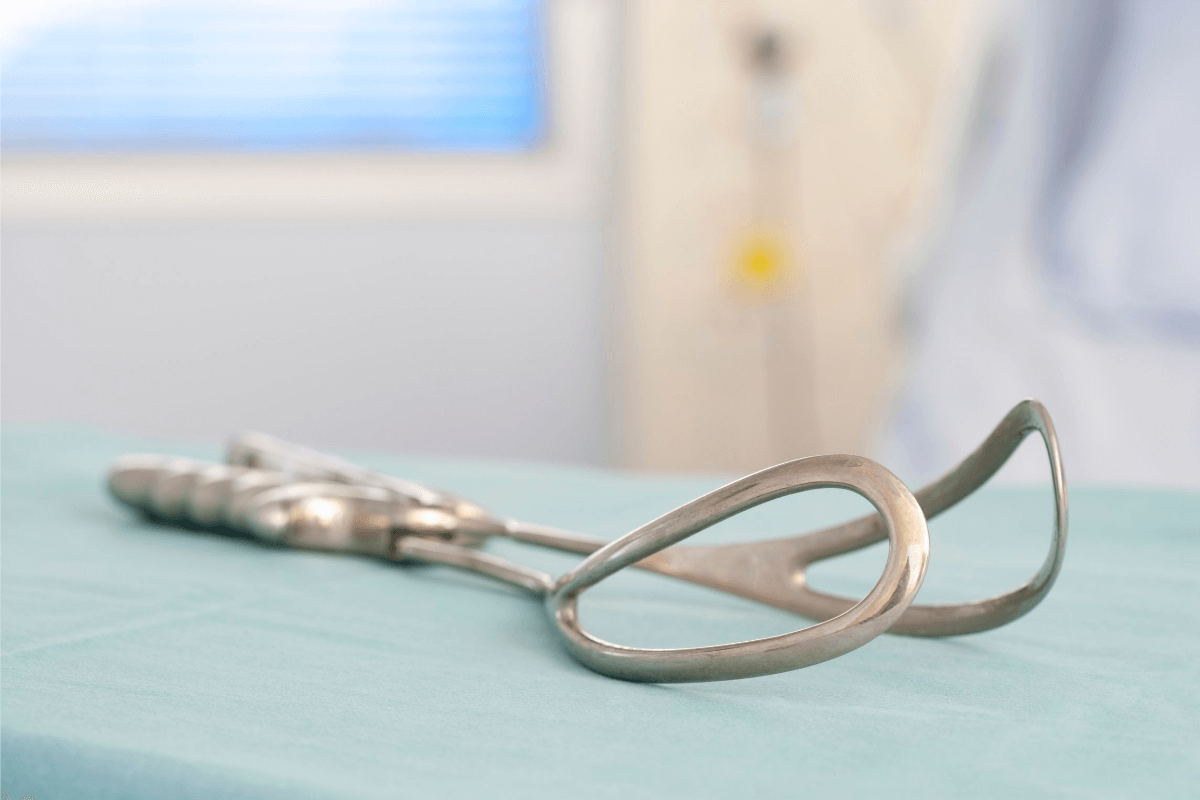
A calm, practical guide to assisted vaginal birth, explaining forceps, vacuum delivery, the reasons they may be recommended for a birth, and what they mean for you and your baby.
-

Breastfeeding in the first week involves frequent feeds, changing milk supply and learning together. Understand newborn feeding cues, latch, milk coming in and when to seek support.
-

A practical hospital bag checklist covering what to pack for labour, postpartum recovery, your newborn and birth partner — plus tips for organising your bag and preparing for different birth experiences.
-

Labour pain is different for every woman, and there is no single “right” way to manage it. Understanding your options can help you feel prepared, informed and more confident about your birth.
-

Pregnancy can come with a lot of questions. Here’s what to expect from your first prenatal visit, from blood tests and ultrasound to your medical history, due dates.
-

Early skin-to-skin contact can support newborn temperature and glucose regulation, early breastfeeding, maternal/paternal-infant connection and a calmer transition after birth when clinically appropriate.
-

Fertility changes with age, largely because egg number and quality decline over time. Understanding what age means for conception, ovarian reserve, miscarriage and fertility treatment can help women make informed reproductive decisions.
-
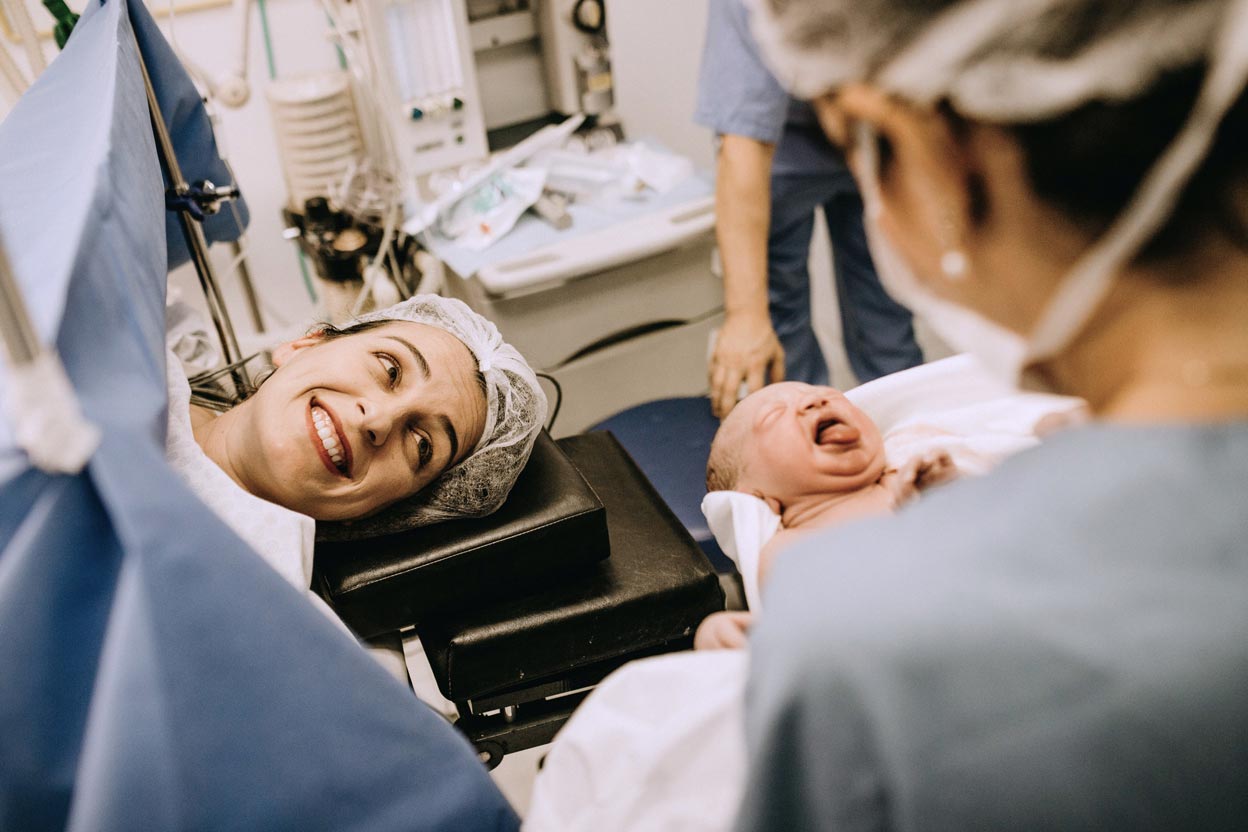
Every birth journey is unique. Explore the differences between vaginal birth and Caesarean section, understand when each option may be recommended, and learn what to expect before, during and after delivery.